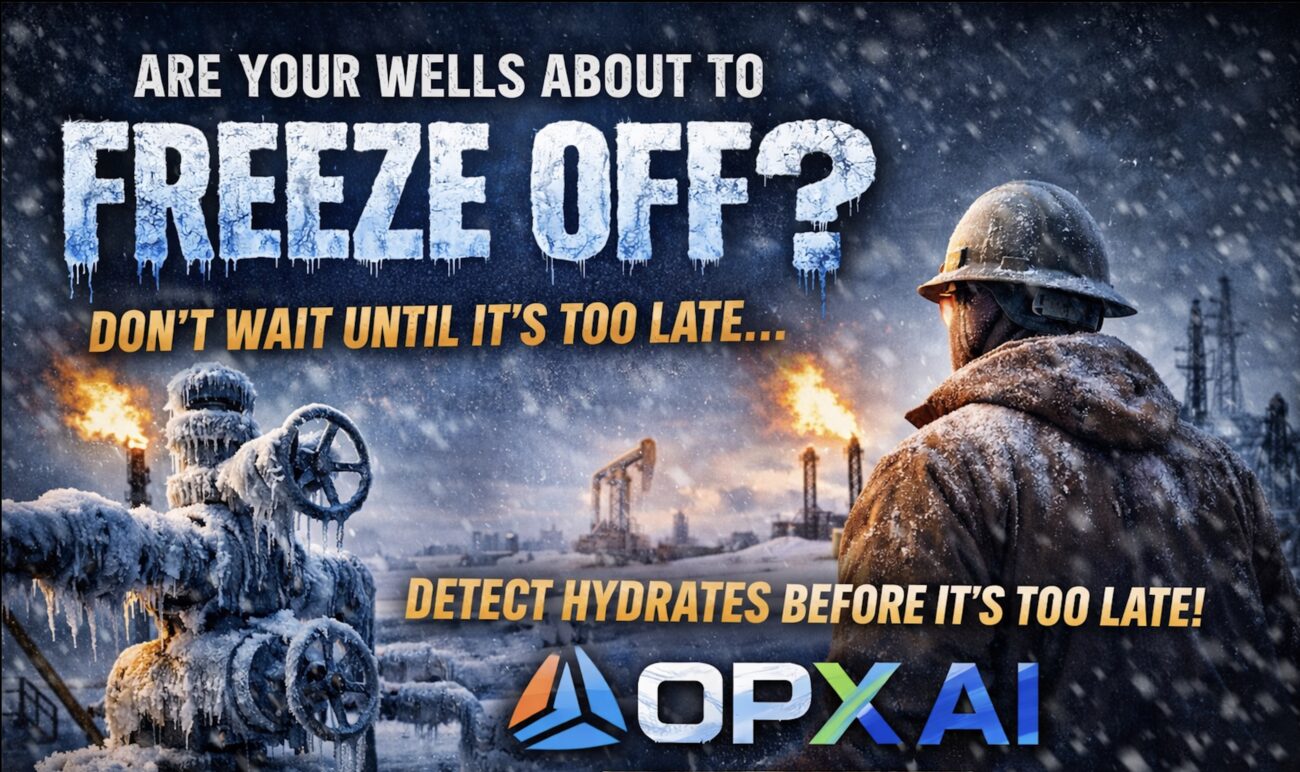
Texas Is Freezing Solid. Are Your Wells About to Freeze Off Too?
If you’re reading this from the field, the truck, the doghouse, or a cold-ass control room — I feel you.
Texas ain’t built for this kind of cold.
And every hand in the patch knows what that means.
Lines icing up.
Pressures doing weird things.
Wells that were fine yesterday suddenly going sideways.
Methanol burn rates going through the roof.
Phone ringing nonstop.
And crews doing their best just to keep iron alive.
I’ve been there. I’ve sat through Texas freezes where you’re watching wells drop one by one, knowing damn well it’s not bad operations — it’s just winter kicking the door in.
So let’s talk straight, operator to operator.
What’s Really Hurting Right Now (No Sugarcoating)
When Texas freezes, it’s never just cold. It’s chaos.
Here’s what I know you’re dealing with:
Freeze-offs showing up fast — especially on gassy wells, high water cut wells, and anything with long exposed flowlines
Hydrates forming where they shouldn’t — chokes, wing valves, small-bore lines, meter runs
Pressures creeping up or dropping for no damn reason
Methanol injection going full send — “better safe than sorry” turns into “we just doubled chemical cost overnight”
Wells dying quietly — no alarms, no big red flag, just “why the hell did this well flatline?”
And the worst part?
Most of the time, you don’t know it’s a hydrate until it’s already got you.
By then:
The well’s frozen
You’re flaring or shutting in
You’re burning money and daylight
And everyone’s asking, “Could we have seen this sooner?”
What to Expect Over the Next Few Days
If this freeze holds (and it looks like it will):
Expect more nuisance shutdowns
Expect false confidence from wells that look stable… until they aren’t
Expect chemical usage to spike
Expect field crews stretched thin
Texas equipment just isn’t wrapped, heat-traced, or buttoned up like North Dakota or Alberta. We all know that. Most leases were built for “cold-ish,” not single digits with wind.
So you’ve got to work smarter, not just harder.
Old-School Moves That Still Matter (Do These First)
Let’s be real — fundamentals still win.
Keep fluids moving if you can safely do it
Don’t be afraid to choke back instead of pushing rate
Target methanol, don’t just flood everything blindly
Watch pressure + temperature together — one without the other lies
If something smells off, trust your gut — shut it in clean instead of letting it die ugly
But here’s the truth most folks won’t say out loud:
Humans can’t watch everything at once — especially during a freeze.
Where Things Break: Hydrates Don’t Announce Themselves
Hydrates are sneaky. They don’t trip big alarms right away.
What you usually see first:
Tiny pressure anomalies
Slight temp dips
Flow instability that comes and goes
A well that “acts weird” before it flatlines
Most SCADA systems won’t scream at you for that.
Most dashboards won’t flag it.
And most operators are already juggling 100 other fires.
That’s exactly where AI-based anomaly detection earns its keep.
What We Learned the Hard Way — And Fixed
At OPX AI, we’ve done hydrate detection the hard way — in live fields, not PowerPoint.
Working alongside teams at Chevron and ConocoPhillips, we trained anomaly detection models on real Texas-style problems:
Gas lift instability
Freeze-driven pressure swings
Hydrate formation before full blockage
Flow assurance issues that operators felt but couldn’t prove yet
The result?
Hydrates caught hours earlier
Wells saved before full freeze-off
Chemical injection cut way down — because you only inject when it actually matters
Fewer middle-of-the-night “why did this well die?” calls
The AI doesn’t replace operators.
It backs them up.
It watches every well, every second, and taps you on the shoulder when something doesn’t smell right — before the well is toast.
Why This Matters Right Now
During a freeze:
Reaction is expensive
Over-injection is expensive
Shutdowns are expensive
Early detection is cheap.
If you can:
Spot hydrate formation early
Intervene surgically
Keep wells alive through the cold snap
You don’t just save production —
you save crews, chemicals, and sanity.
To Every Texas Operator Out There
I know this week sucks.
I know you’re tired.
I know you’re cold.
I know you’re doing everything you can with what you’ve got.
This isn’t about selling software.
This is about having your back when winter hits Texas sideways.
If you want to talk through what you’re seeing — pressures, temps, weird behavior — I’m always open.
If you want to see how anomaly detection actually works in the real world, not a demo — we can do that too.
Until then:
Stay safe
Trust your instincts
And don’t let hydrates steal wells you could’ve saved
Texas winters don’t last long — but the damage can.
Let’s keep your wells flowing.

OPX AI is an engineering services company that helps organizations reduce their carbon footprint and transition to cleaner and more efficient operations.